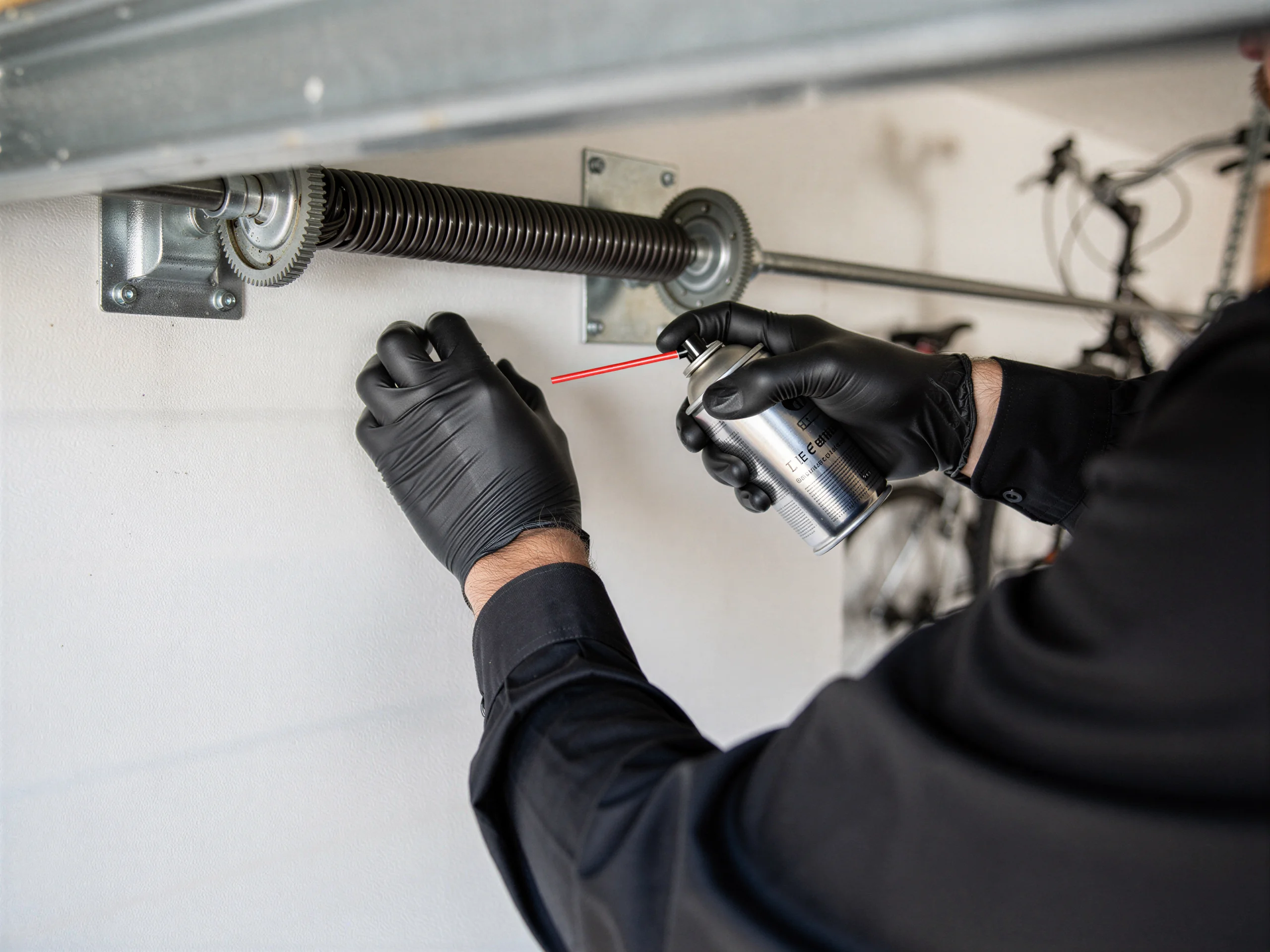
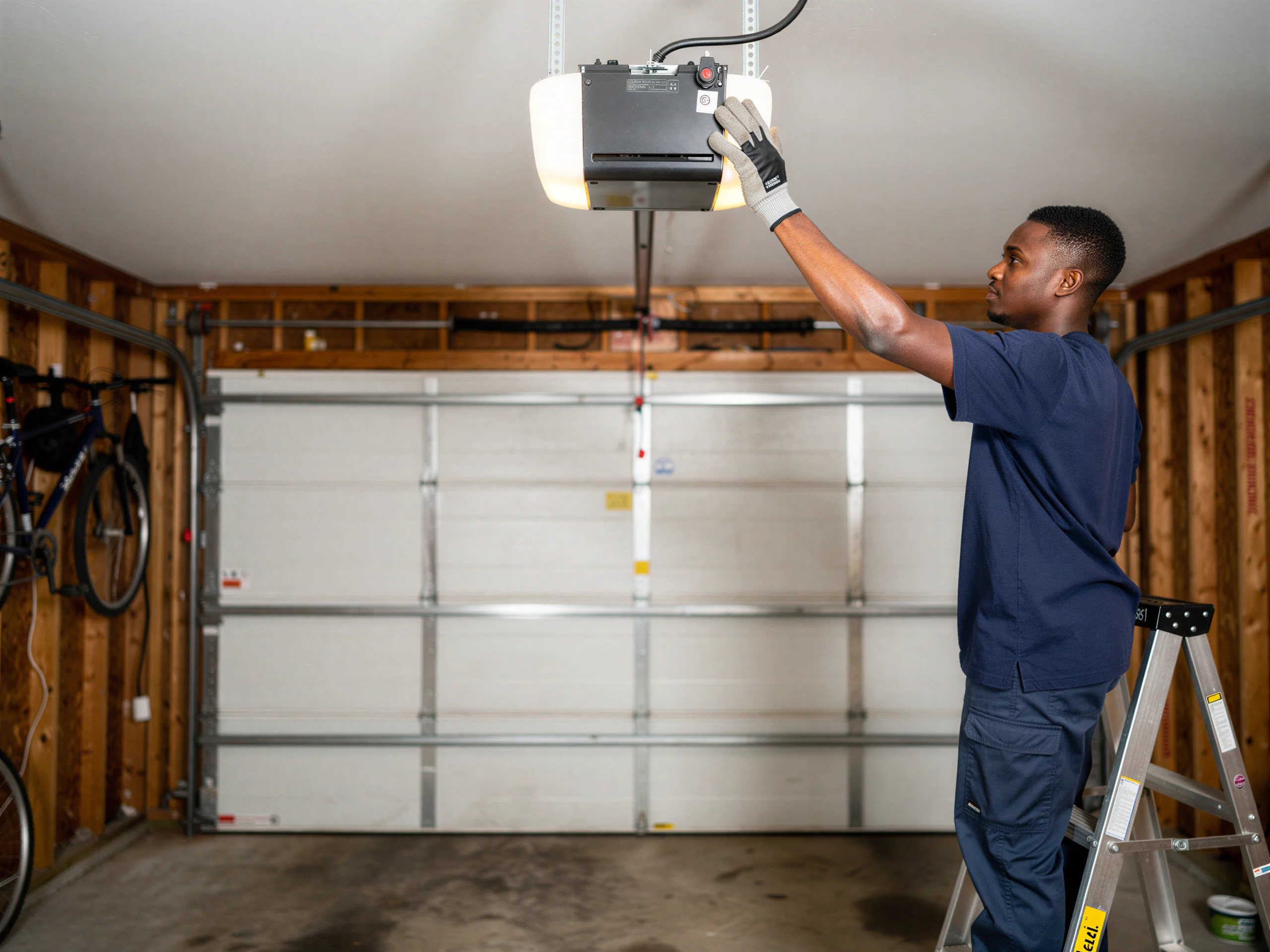
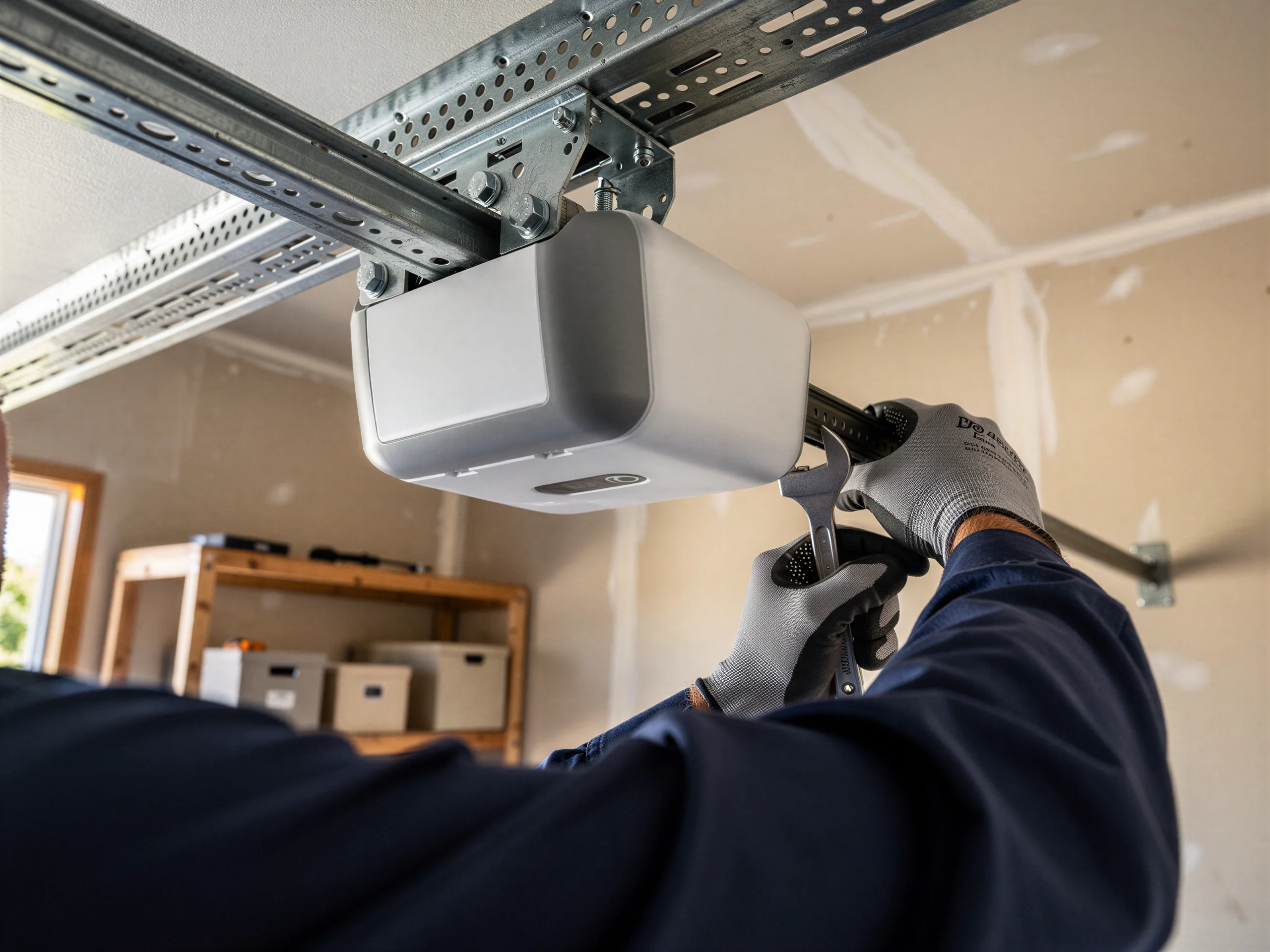
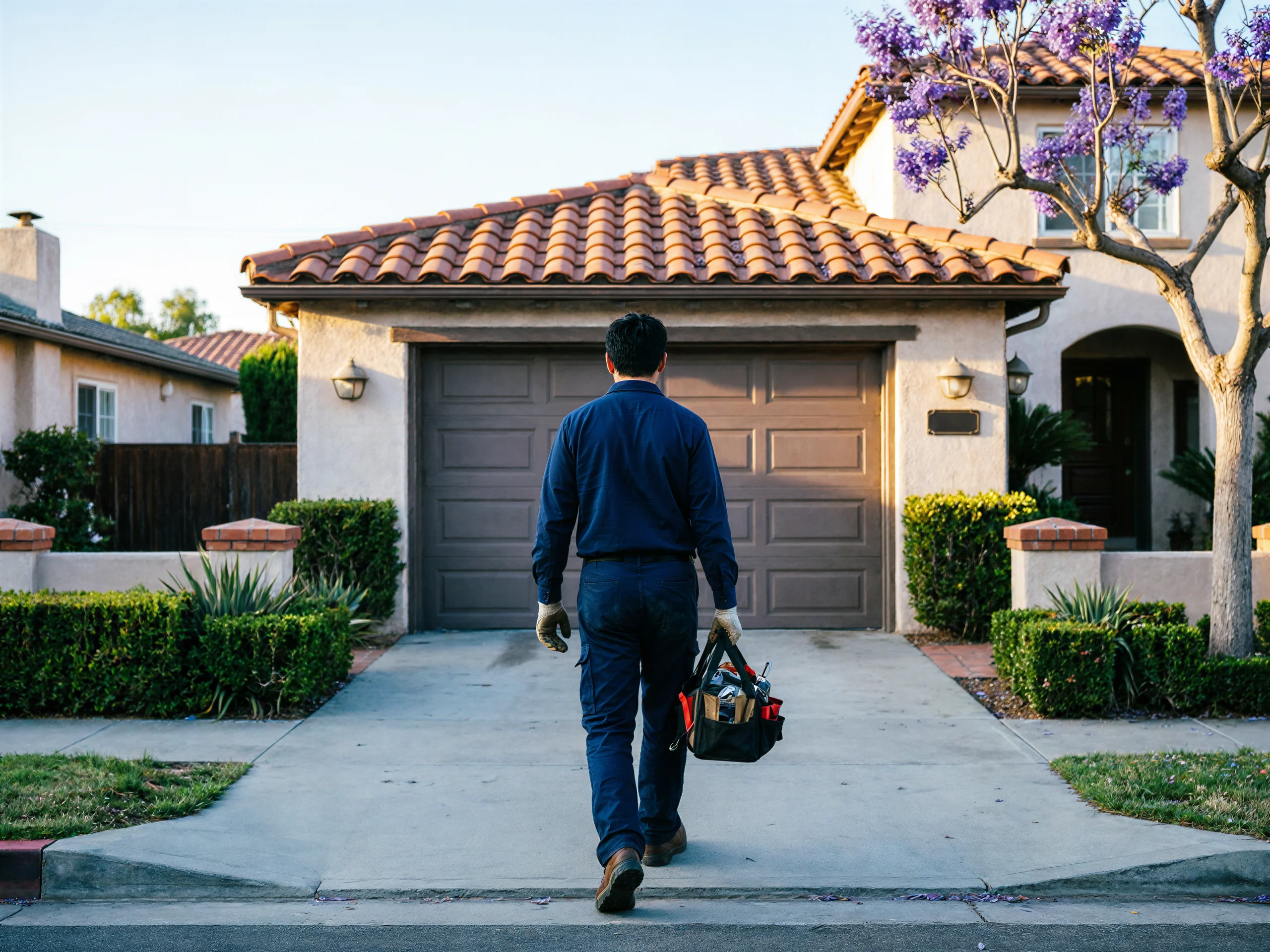
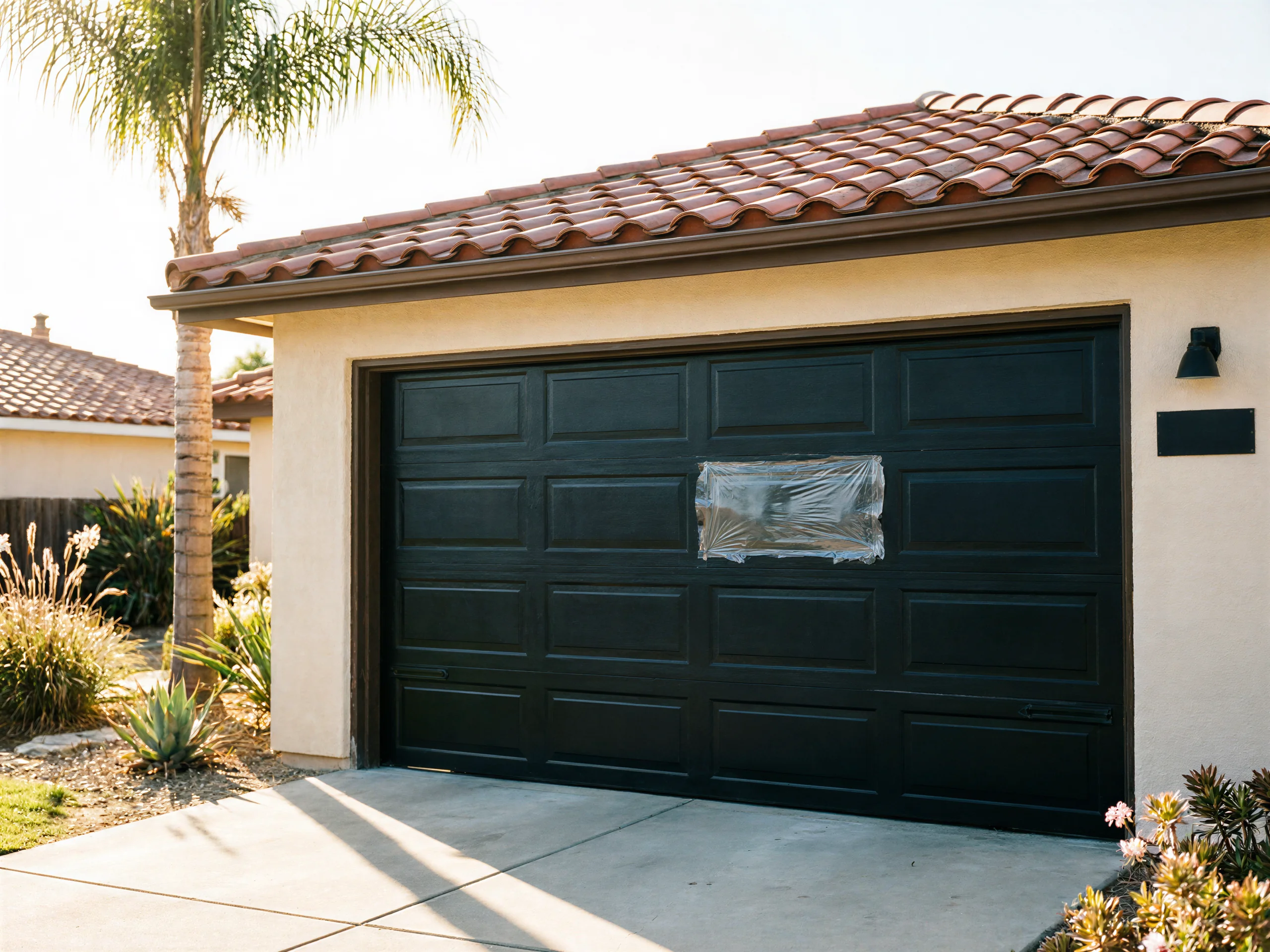
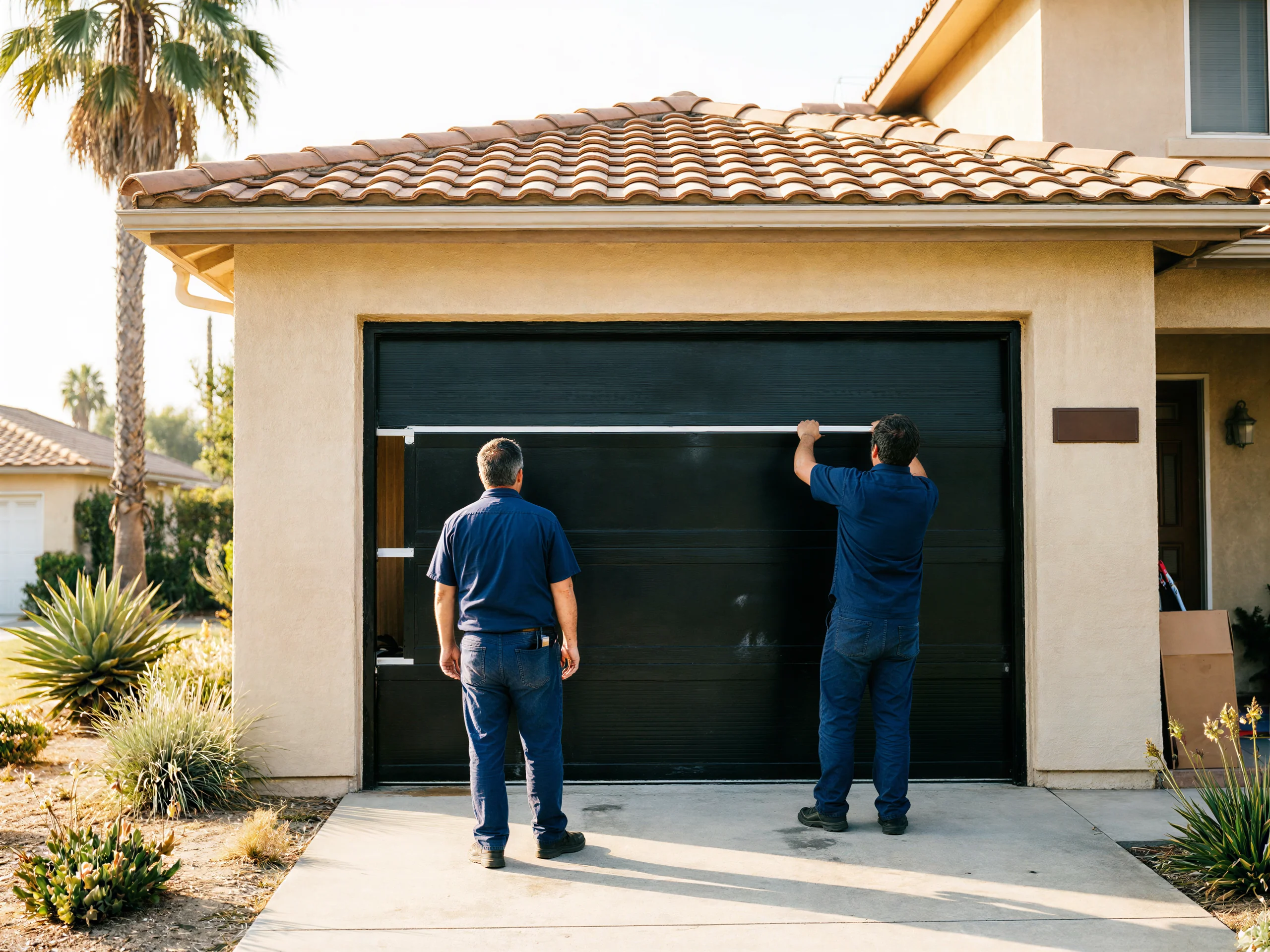
Yorba Linda's housing stock runs from 1938 to 2007, with a median build year of 1968, and most of the stock across the surrounding 51 named areas sits squarely in that 1960s-70s band. That matters for garage doors because hardware from that era was built to specs that have since changed - torsion springs wound for lighter wood-panel doors, tracks sized for hardware that's thinner than what's sold today, openers (where retrofitted) bolted onto framing that was never drilled for them.
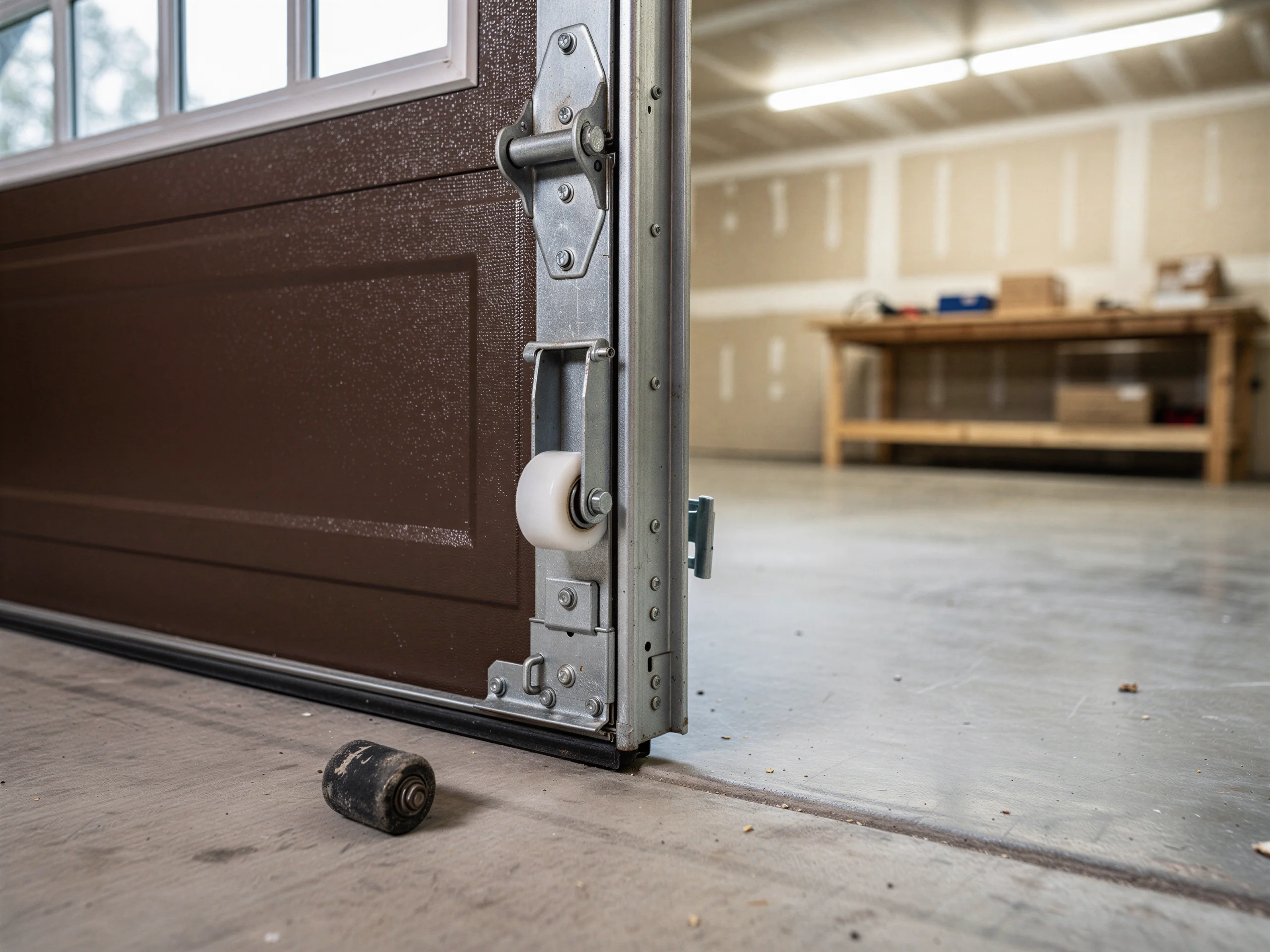
The mild temperate climate here doesn't put the kind of stress on doors that freeze-thaw cycles or heavy humidity swings do elsewhere, so you don't see the rust-through or warping that shows up in wetter or colder regions. What you do see instead is slow mechanical fatigue - springs that lose tension gradually rather than snapping from moisture damage, rollers that wear down from decades of plain use rather than weather exposure, and galvanized hardware that's just old, not corroded.
So the failures here tend to be age-driven rather than weather-driven: a spring finally giving out after fifty years of cycles, a cable stretching past its tolerance, an opener's logic board failing because the capacitors inside have simply reached end of life. It's wear, not damage.